
Our Services
Infrastructure Landscaping
Landscaping and native vegetation works for developers and infrastructure projects
Biodiversity offsets
Biodiversity restoration to offset land and infrastructure developments
Environmental planning
Site assessments, GIS mapping and development of environmental restoration plans
Project management
Development, coordination, oversight and administration of end-to-end restoration projects
Latest News
 Posted
by Envite
Posted
by Envite  19 Apr 2024
ENVITE ON FACEBOOK
Envite


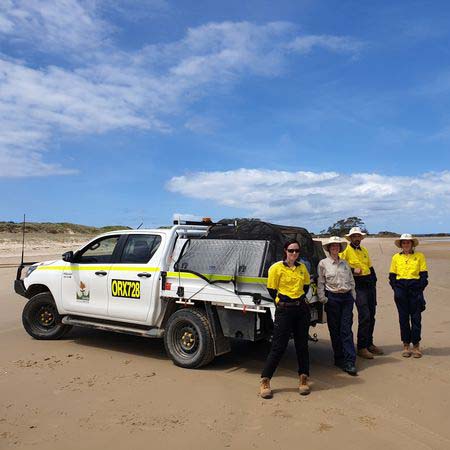
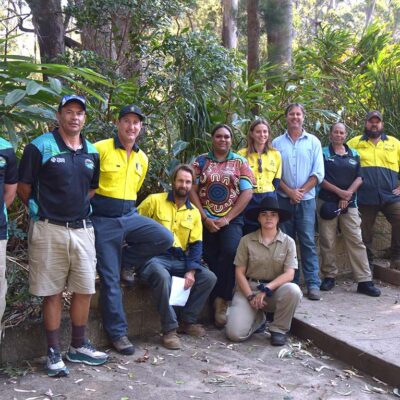
Earlier this month NSW National Parks Rangers invited the Envite Coffs Harbour Bushfire Recovery team to a night out in the Yuraygir National Park Pebbly Beach campground while it was closed for much needed repairs.
Envite
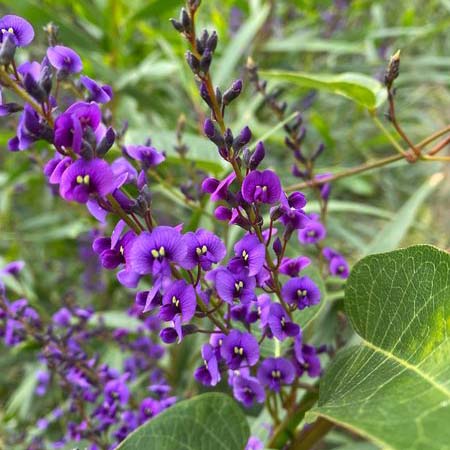
Check out these amazing wildflowers Bryce managed to snap while out and about removing weeds in Victoria’s Far East.
Envite
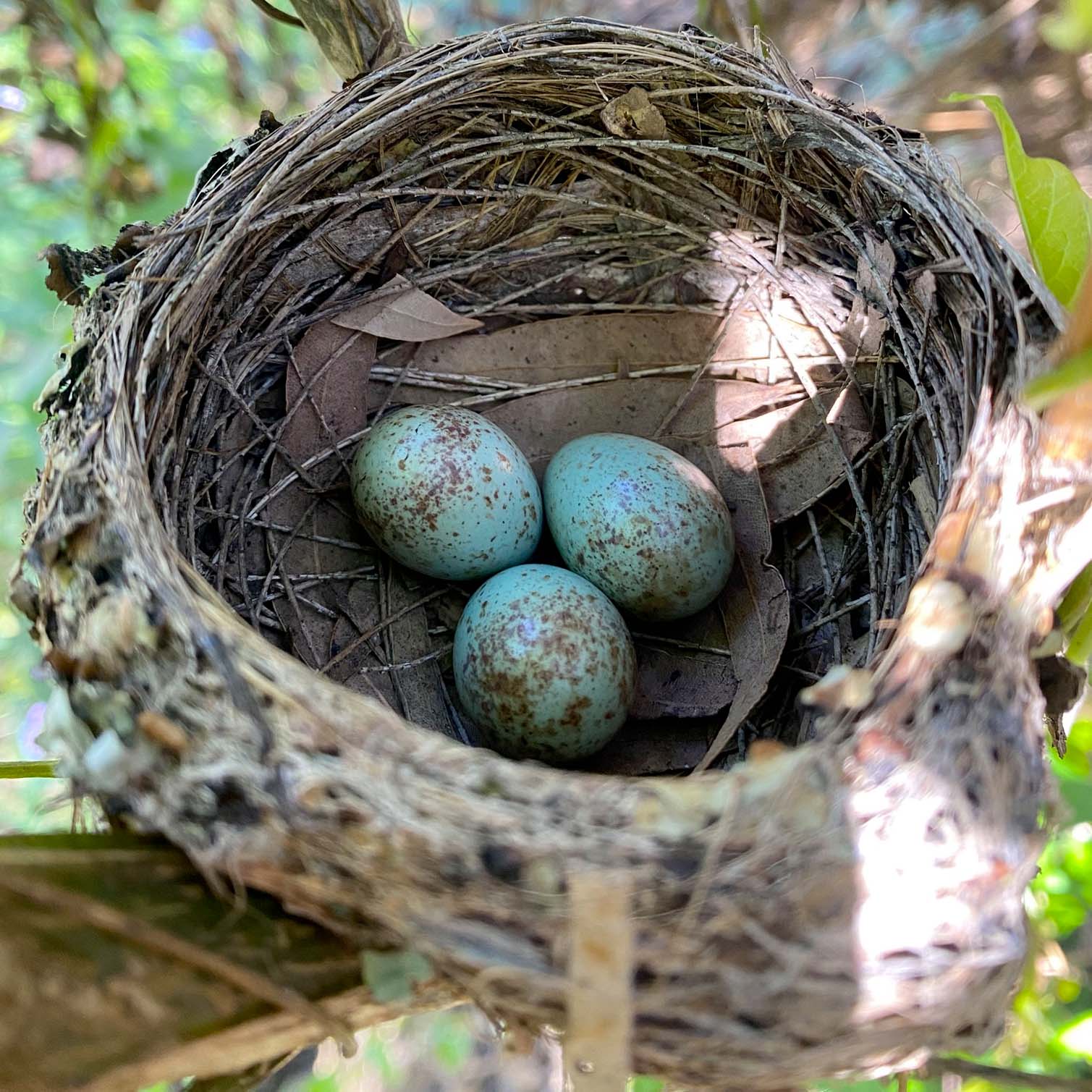
Spring has well and truly sprung!! It looks like the birds have been busy! Bryce and Stephen spotted this nest while out removing weeds and made sure the eggs were sheltered and left undisturbed.
Envite
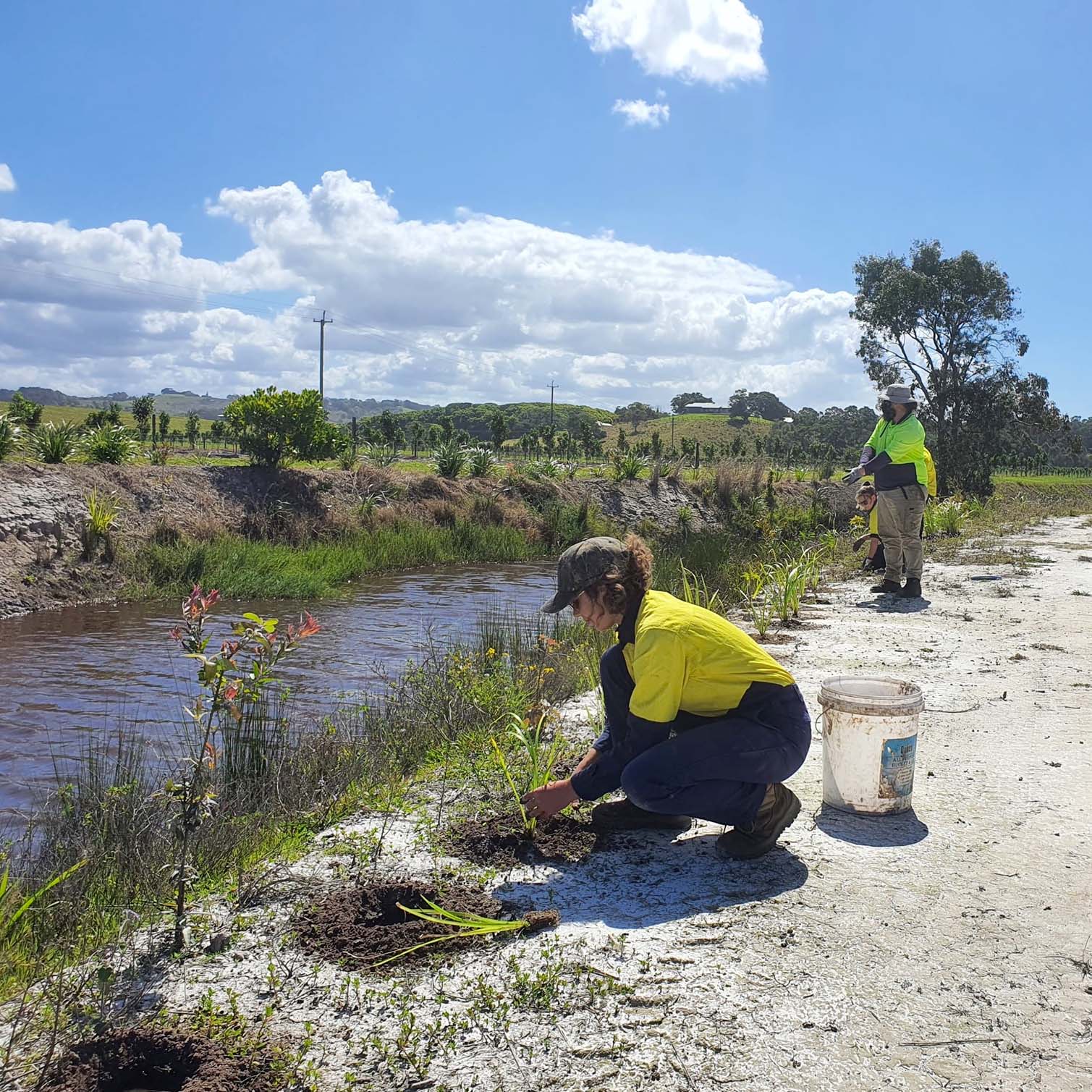
We’re proud to say that we’ve successfully completed a two year National Landcare Smart Farms project supporting Northern Rivers floodplain macadamia growers to improve productivity and #biodiversity on their farms.